Clear Insight Into Truck Health With Early Warning Signs
Unexpected truck breakdowns cost time, money, and trust. They delay loads and raise stress for drivers and fleet owners. Modern trucks rely on sensors and onboard systems to track health issues. These tools spot small problems before they turn serious. When used right, diagnostics lower roadside failures and improve safety. You gain control over repairs and reduce last-minute calls. This approach supports steady schedules and better planning. It also helps drivers feel confident on long routes. Understanding how this process works helps you protect your trucks.

Early Problem Detection With Data Driven Scans
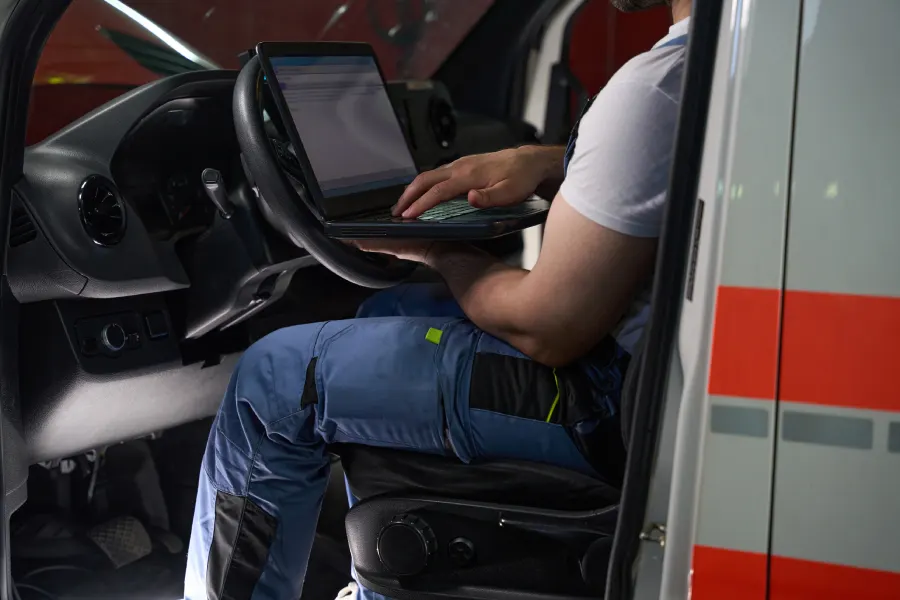
One key benefit comes from early detection using a computer diagnostic scan. This scan reads engine codes and system data fast. It finds loose connections, sensor errors, and wear signs. You address issues before a breakdown starts. For example, a fuel pressure alert warns days ahead. Fixing it early avoids a stalled truck later. Early alerts also reduce tow costs and missed deliveries. Fleets using scans report fewer roadside stops. That leads to safer driving and better uptime.
Lower Repair Costs With Smart Maintenance Planning
Maintenance planning improves when a computer diagnostic highlights exact faults. You stop guessing what to fix. Parts get replaced only when needed. That saves money on labor and components. Shops finish work faster with clear fault codes. Your truck spends less time off the road. Budget planning improves with fewer surprises. Over time, planned repairs cost less than emergency fixes. This approach supports long-term vehicle health.
Common Causes of Breakdowns With Missed Warning Signs
Many breakdowns happen because early signs go ignored. Drivers may notice small changes but lack clear proof. Common causes include worn sensors, cooling issues, and electrical faults. These issues often trigger alerts long before failure. Without data checks, they get missed. Heat buildup can damage engines. Voltage drops can shut systems down. Small leaks become major failures. Diagnostics bring these hidden issues to light.
Steps to Use System Scans With Consistent Results
Following clear steps helps diagnostics deliver value every time. A simple process keeps trucks checked and ready.
- Schedule scans during regular service visits
- Review fault codes with trained technicians
- Fix high risk issues first
- Clear codes and test drive the truck
- Record results for trend tracking
Best Practices With Fleet Wide Monitoring
Consistent habits improve results across your fleet. Good tracking prevents repeat failures and builds history.
- Scan trucks after long hauls
- Train drivers to report dashboard alerts
- Keep software updated
- Store scan reports in one system
Pros and Cons With Digital Truck Testing
Like any tool, diagnostics bring benefits and limits. Knowing both helps you decide how to use them.
- Pros: faster repairs and fewer breakdowns
- Pros: accurate fault detection
- Cons: requires trained staff
- Cons: depends on proper updates
Compliance Needs With Industry Standards
Regulations require trucks to meet safety and emission rules. Diagnostics help meet these standards. Federal rules demand proper emission controls. Fault codes show when systems fail tests. Fixes keep trucks compliant and avoid fines. Many states require proof of system checks. Digital records support audits. Staying compliant protects your operation and reputation.
Cost Value With Long Term Reliability
Initial setup costs vary by system and fleet size. However, long-term savings add up. Fewer breakdowns lower tow bills. Better planning reduces overtime labor. Trucks last longer with steady care. Many fleets see returns within a year. Reliable trucks also protect customer trust. Consistent service builds strong contracts.
Next Steps With Professional Diagnostic Support
Located in Kerrville, TX, we support fleets that want fewer surprises and better reliability. HDS Roadside provides clear system checks and repair guidance for working trucks. We focus on prevention and steady performance. Call (830) 217-3039 to schedule service and keep trucks moving with confidence.